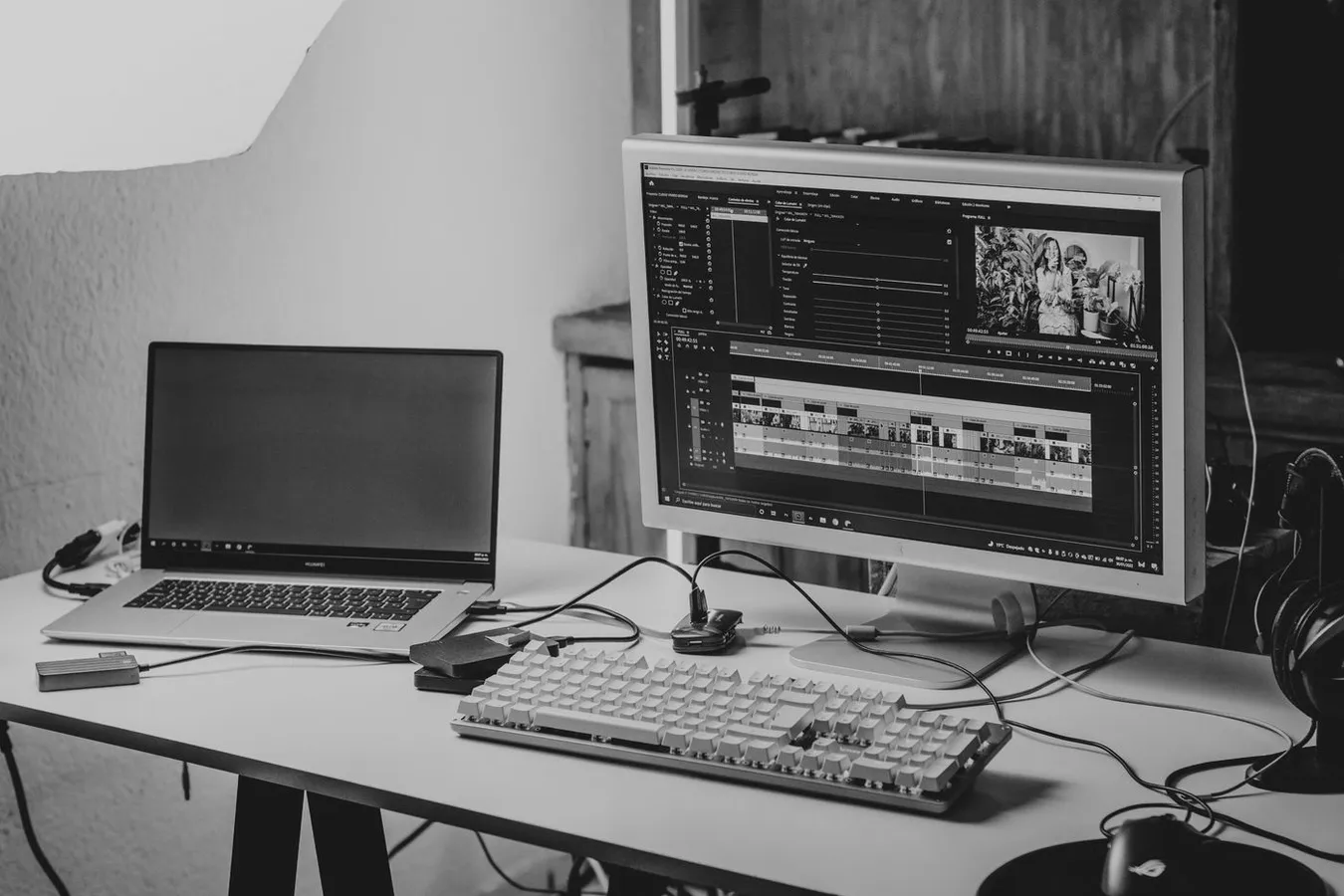
Someone says that they will wait at the table. The next sentence in the original take stepped on a held look, so the editor opens a small space between the lines. On the timeline that space looks like time for the look to work. Through speakers it sounds as though the room disappears, then comes back with the first letter of the next sentence. The process of making time has exposed the sound that was occupying it.
Listen to a longer part of the take where somebody has just stopped speaking. A quiet room has details that continue through a pause. There may be a steady fan and a less steady scrape outside the building. There can also be sound attached to the action, such as a paper sliding under a palm. The old cut may have removed all of those at once. The goal is to preserve the kind of quiet the scene had before the dialogue moved.
Start with what happened next to the gap
Look first for useful sections close to the cut in the same recording. The microphone was in the same place and the background may be similar. A short excerpt immediately before a line can contain a breath or the tail of the previous action. Listen to the excerpt on its own before it becomes part of the gap. Avoid turning a recognizable sound into a repeated pattern, particularly if the audience can easily identify its source.
A separate recording of room tone from the shoot can offer a wider selection. Compare its character to both sides of the cut. A steady background recorded while an actor is still seated can differ from one recorded after the crew has begun putting things away. Choose the stretch that continues the existing sound into the quiet. Blend its edges by ear. A gentle fade is a means of getting there. A fade that calls attention to an arriving background has become part of the scene.
Ask whether the silence itself matters
A group sits in a hall. One person has asked a question that nobody wants to answer. An editor can preserve the usual hall or make the pause feel suddenly exposed by reducing what is audible. These are different dramatic choices. A continuous sound can leave the group together in a familiar place. Moving toward unusually quiet sound can bring the listener nearer to one person's attention. A drop caused by a hard audio edit is likely to sit somewhere in between without making clear why the room changed.
Test the quietest version against one which keeps a small background. Compare them just after somebody speaks again. If the return of the room noise seems timed to the word, it may compete with what the person says. A sound change deliberately attached to a picture cut will read differently from one that arrives because the usable file began at that moment. Separate these events on the timeline and listen again.
Leave room for a small action
Listening for sound gaps can make every silence look like a problem. Take a break from the isolation tools and play the scene from a little farther back. A quiet enough gap allows a new sound, such as someone moving a cup, to become visible to the ear. If a room tone extension fills the whole space with a recognizable air conditioner, the cup may no longer have the expected scale. Work at the volume where you can still hear speech comfortably.
During the final check, take a short note about where the room comes back into attention. A friend watching may mention the pause without mentioning sound. Someone else may recall a little scrape next to the table. Either response can tell you the room remained in the story. Once its presence feels continuous through a trimmed line, the look the editor created time for can do its work.
A sample might be too distinctive for a long pause because it includes a hum that changes pitch. Look for a longer recording before making short pieces repeat. A steady join gives the hesitant people time to keep changing while their setting stays familiar.