A grocery bag descends toward a table. From the wide angle, it is possible to see the person carrying it, the table and the reach toward the handle. The lower angle catches the bag flattening a little when it meets the wood. The editor can go to the low angle while the bag is still falling, exactly at impact, or just after impact. The resulting shots can all look continuous. They leave the viewer with different pieces of the action.
Consider what the bag does in the scene. If a stranger sets it down between two people, the action can create a boundary. If the person holding it has walked a long way, its weight might be felt through the slowing arm. If the contents are the subject of the next exchange, the bag's settled shape can draw attention toward the question of what is inside. The same object reaches the same surface, but three edits can each emphasize a different fact.
What the approach lets you read
In the wider picture, the actor briefly tests where there is room. That decision can matter if the table already holds a plate, a mug and a borrowed book. The free space may leave the bag unusually close to someone. In an insert the viewer can see the arrival of the bag but has little access to the choice of location. Hold the wider view until the actor clearly aims, then make the jump once the path has become predictable. Try keeping the moment where their fingers change grip if it communicates hesitation.
An early insert can still work. Imagine that the scene follows a search for a small package nobody is supposed to have. The viewer's attention is already on the object. Cutting sooner gives the package time to fill the frame and lets the person who brought it become a detail around the edge. The next shot can return to their face after the object is available to be recognized. Making the object legible in one direction and the person's decision legible in the other can be enough to drive the exchange.
Let the strike have one time
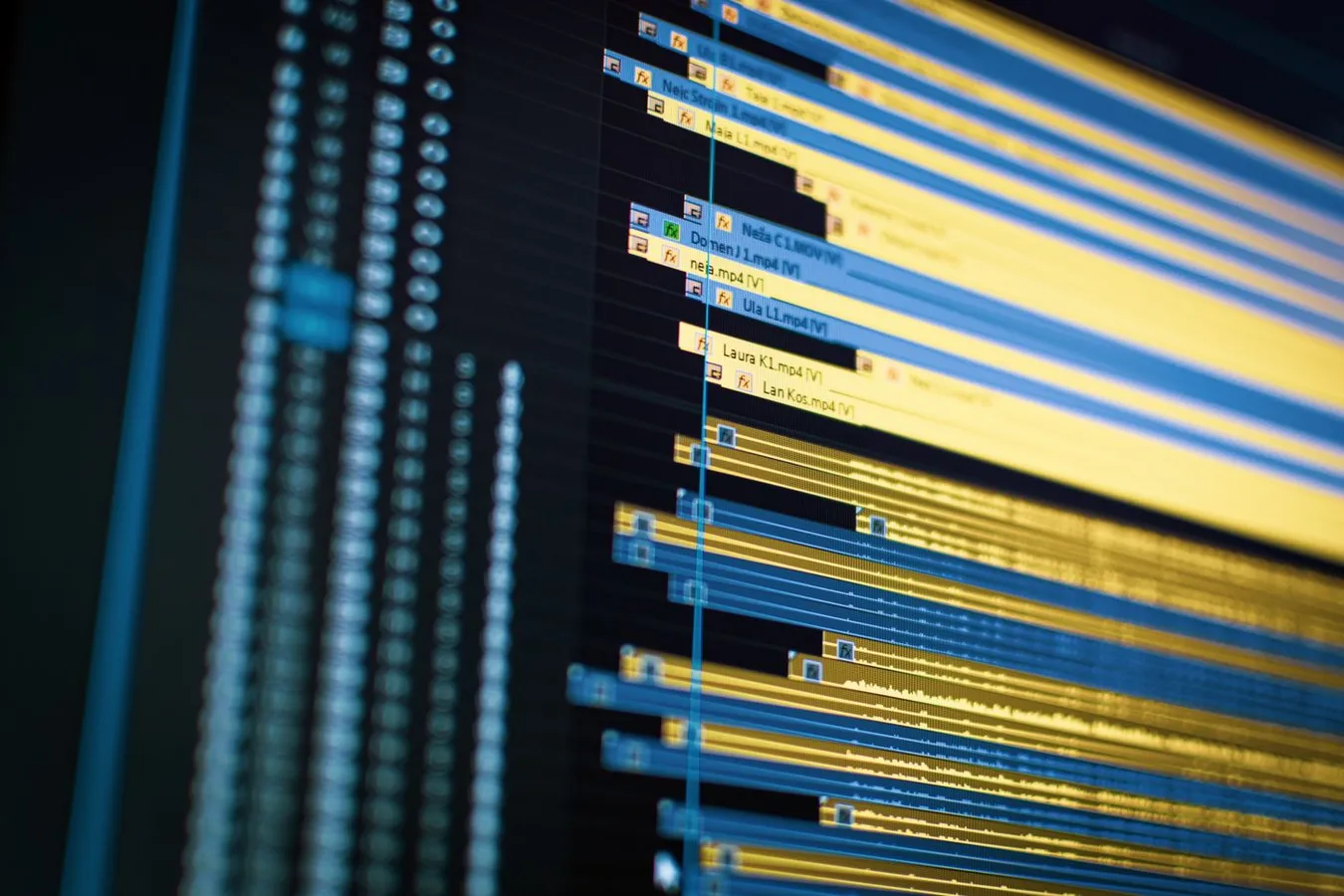
Stack the two takes in the working timeline and locate the clearest point of contact in each. A handle might drop against the bag as the base touches. A hand might stop moving while the cloth continues to settle. Find a mark in sound if both takes have useful audio and compare it with the image. You only need one sensible point around which to place the cut. Moving by a few frames can reveal where the bag appears to jump or tap the table twice.
Listen with the picture hidden for a pass. An attack from the first take followed closely by the attack from the second can sound like two objects. Decide which sound belongs to the selected physical contact. Keep enough of its decay for the table to feel solid. If a room sound changes under the edit, listen after the larger action is over. A small tonal change will be easier to hear in the following quiet.
Carry some motion into the reply
The bag does not have to be perfectly still when the picture moves on. It can keep settling while somebody withdraws a hand or glances at its owner. A downward motion that ends below the edge of the new framing can pass into a response without ever becoming the visual focus. Try preserving the start of the response before the bag comes to rest. In a tense exchange, the viewer may learn more from somebody giving the object a little room than from a complete account of the object's arrival.
Play the scene through the response in both versions. A smooth joint receives little attention, leaving viewers to choose a useful detail on their own. A conspicuous joint can give an otherwise quiet scene a point of emphasis. Place that emphasis where a person, the object or the space makes a difference to the next beat.