Cut after the thing makes contact
When an actor sets down a bag or passes an object across a table, a few frames can decide whether the action belongs to the person, the object or the space it enters.
No stories match this search. Try another term or section.
A hand reaching for the wrong key can carry more information than a wide shot of the whole corridor. Try beginning at the first action that changes what someone can do.
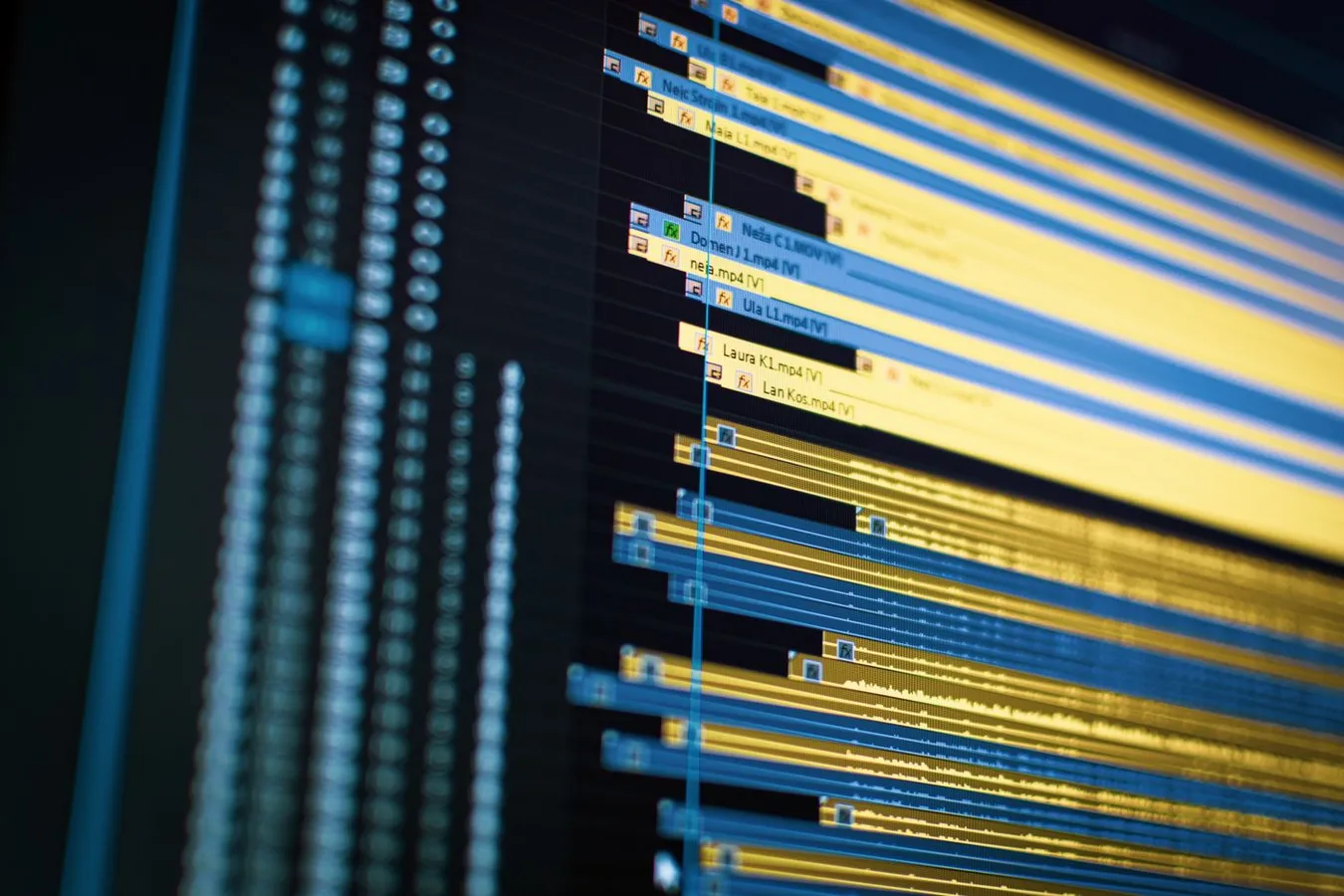
An early sound can prepare a picture cut, carrying a character's attention or giving the audience a moment to recognize a new place.
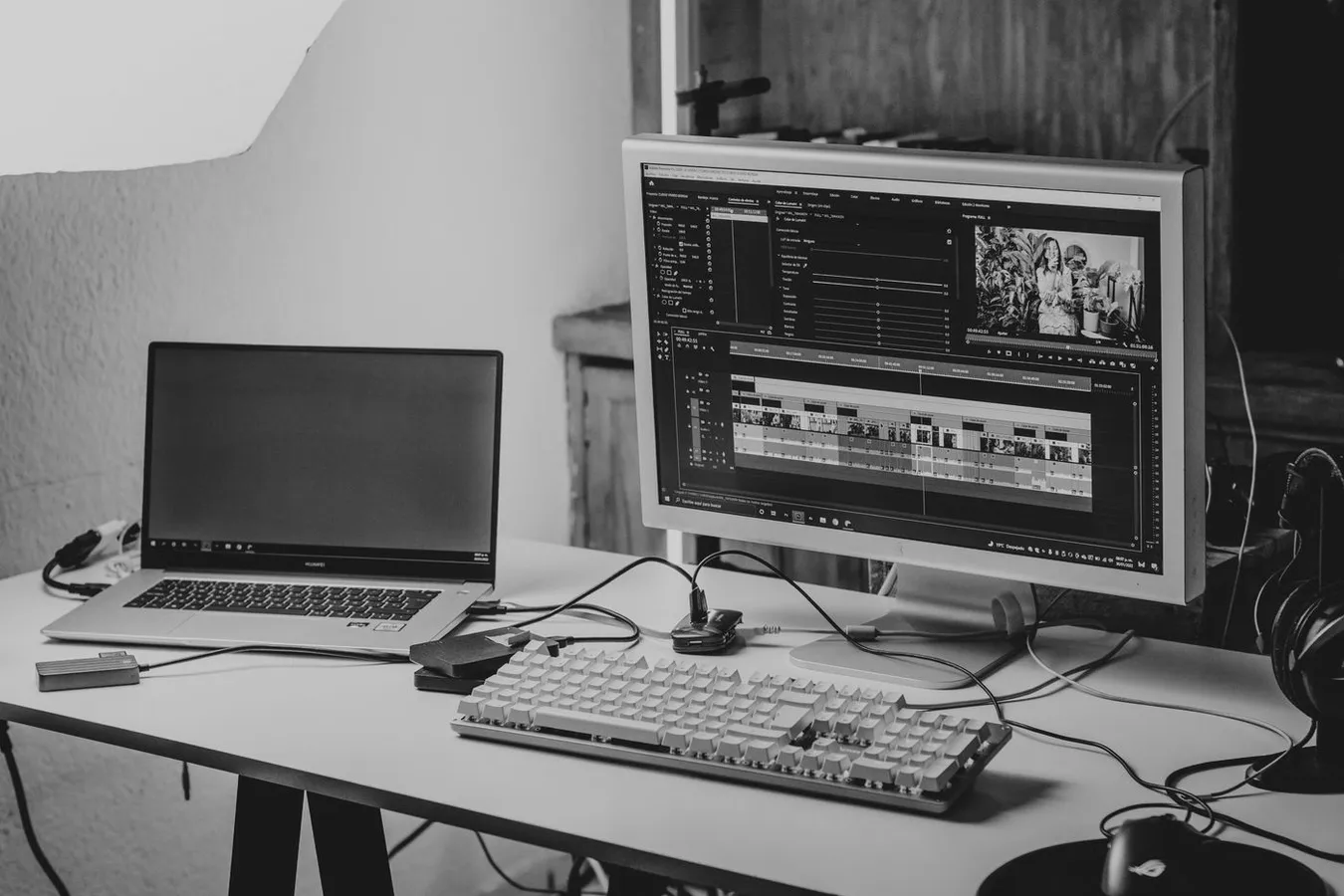
A neutral first screening can show what the story explains on its own. Give viewers an easy way to report the moment they made a connection.
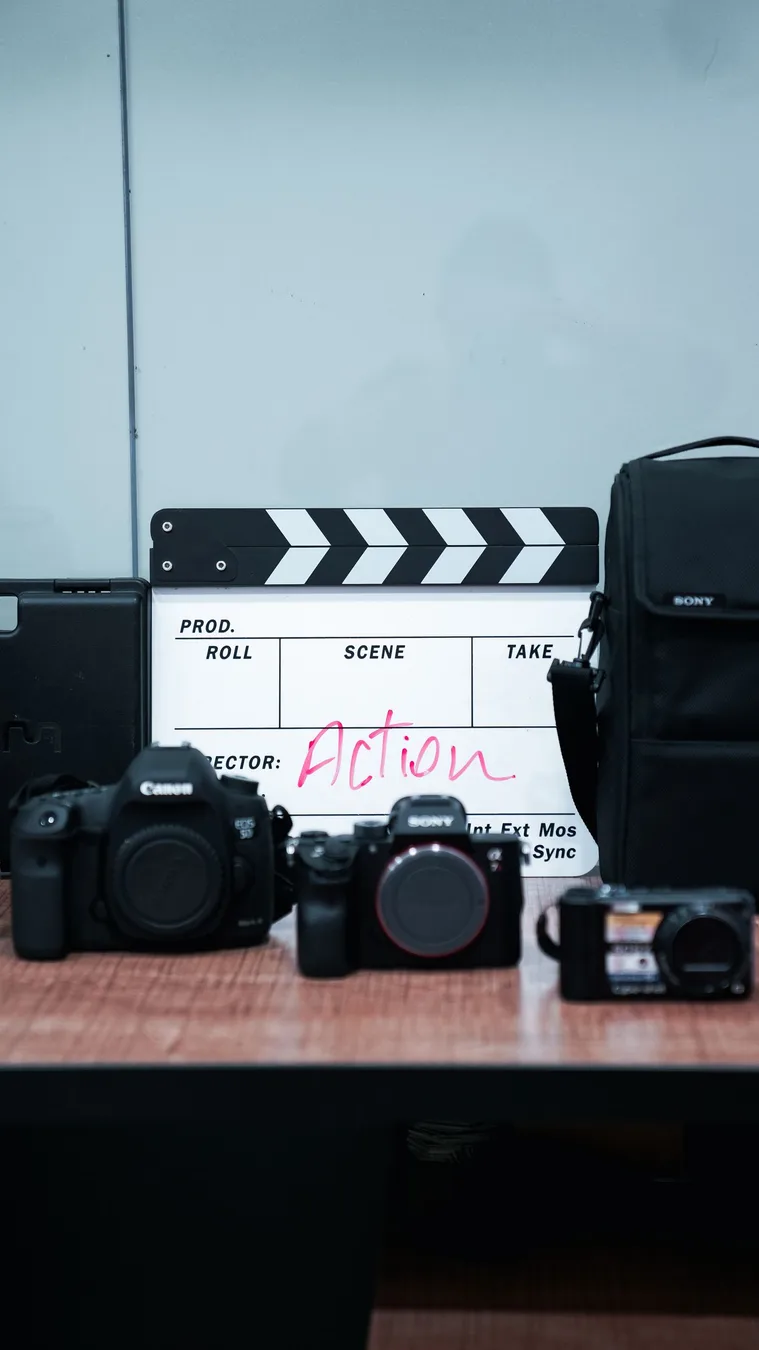
When an actor sets down a bag or passes an object across a table, a few frames can decide whether the action belongs to the person, the object or the space it enters.
A listening shot may fit at several points in a conversation. Check which words and decisions the face appears to answer in each position.
When a dialogue take leaves a hole after trimming, build a quiet gap that sounds as though the characters are still sharing the same room.
A live reaction and a considered note answer different questions. Collect both before asking a viewer to prescribe an edit.
A prop can enter the frame as a shape, a clue or a complete answer. Separate the moment somebody touches it from the moment the viewer needs to recognize it.
A scene can begin close to a person and reveal the whole space later. Look for the first decision that makes the geography useful.
Perspective can follow a person, a moving camera or the full space around a scene. Test the change by listening for the source that moves first.
Watch a delivered file from the same kind of player a viewer will use. Keep the contents, naming and playback observations attached to that exact version.
Watching a sequence with the sound turned down can expose the picture cue that should guide the eye across a cut. Restore the sound before making the final decision.
Leave the moment when a speaker begins to answer if their breathing is part of the decision. Compare the pause in context before tightening an exchange.
Read the exported captions as a viewer will read them. A change of speaker, image or position can make an otherwise correct line harder to follow.
A shot can keep working after its obvious movement stops. Compare what the held time gives to another person, an object or a room.
A stable reference passage can help you hear when a revised mix changes the character of a room or the relationship between two voices.
Use a visible change in a task to imply time passing. Find out what the audience can infer before adding a clock or a transition.
A cue can precede a decision, emerge from it or wait for its consequence. Each position changes when the film lets the audience feel a turn.
A comment about pace or clarity becomes easier to handle once you can locate the action that prompted it and the expectation a viewer formed.
A brief view of a useful object can carry the time a shot needs. Choose something the task still depends on while the main action is out of sight.
Compare one speaker's line before and after a repair, then put it back into the conversation. A treatment can make words clear and still change where a voice seems to come from.
Put alternative scenes side by side and name the decision that changed. Reviewers can tell you what the cut gives them before choosing which version they prefer.
A scene can end around a decision and let the next scene begin with its consequences. Find out which side of the break supplies the audience with a reason to keep watching.
If viewers have to imagine what lies beyond a door, a sound that repeats with small changes can establish the space before a picture arrives.
Place a reviewer where the film will be watched instead of where it was made. Distance and ordinary playback controls can reveal problems that close timeline viewing hides.
A new close shot can solve a genuine information problem. Watch the existing passage to determine whether it needs more evidence, a pause or a stronger connection.
The end of a word, the return of the room and the next sound happen at different times. Put the picture cut where each can finish its own part.
A better-looking picture still has to connect to the action on either side. Review it as a three-shot sequence and confirm the exact approved version.
A visible turn or a new point of view can reset the direction of a scene. Look for the movement that lets the audience make the adjustment with you.
A short delivery record can distinguish the version somebody approved from files made for discussion, subtitles or venue testing.